
Our Mission
To serve our children and their families by providing loving care and education. Through the incorporation of research-driven best practices and gentle guidance, to be a beacon of excellence in the field of early learning.
Our Dream.
To be the most trusted early childhood center in the islands: where innovation, compassion, and community come together to nurture lifelong learners.
Our Vision.
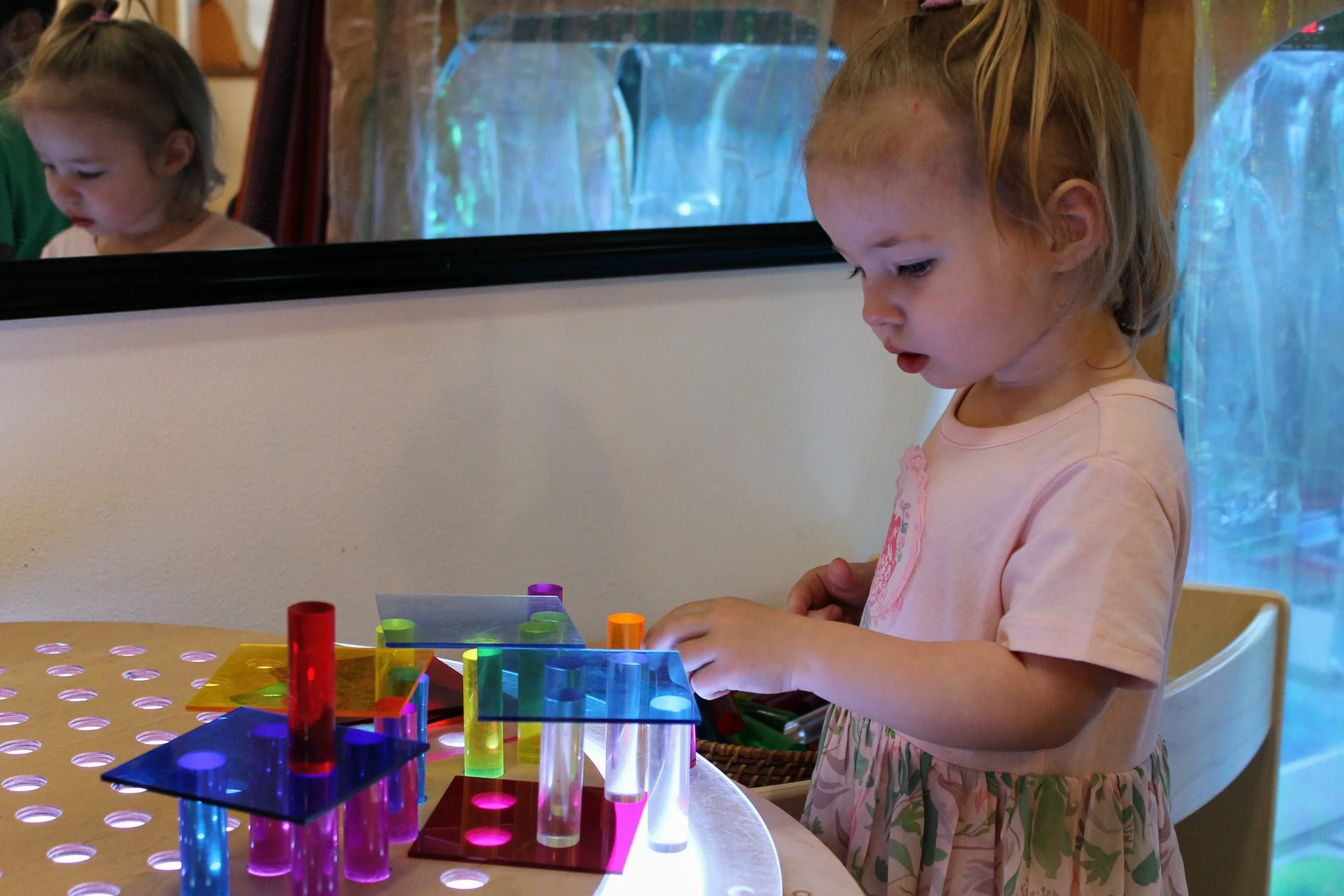
At Hope Harbor, we believe every child deserves a place to grow, explore, and belong. Our state-of-the-art approach blends developmental best practices with child-led inquiry. Amidst the warmth of a trusted community, we strive to provide an inclusive environment where everyone has the right to attend and thrive.
Our educators are perpetual learners, always honing our expertise and understanding surrounding early learning, brain development, and how children are nurtured best. We value partnerships with families and foster curiosity, creativity, and confidence, starting from the very first day.
Meet Rebecca.
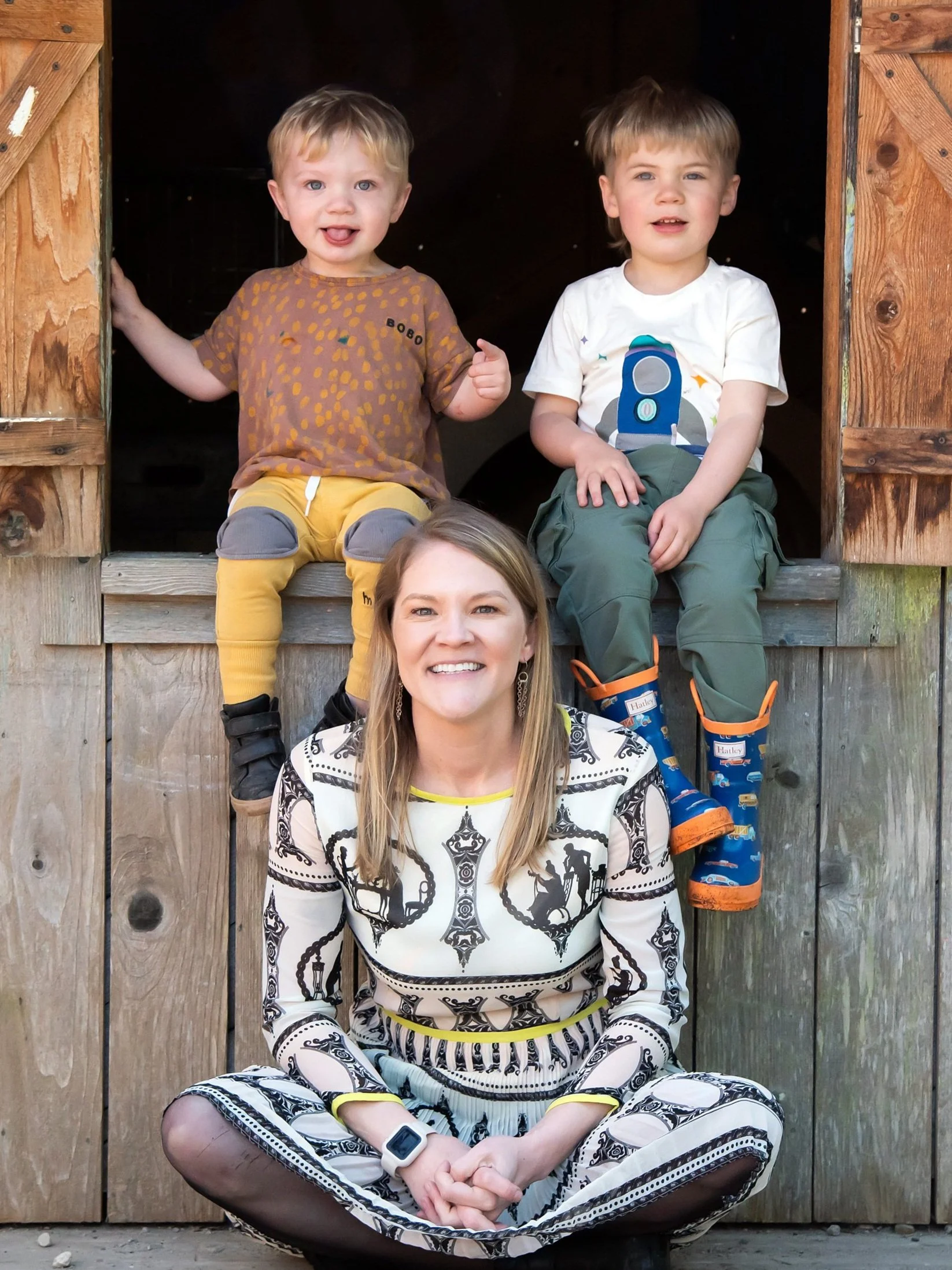
Rebecca Hope comes to our community with 20 years of experience in the field of early childhood education, including currently serving as the Executive Director at Lopez Children’s Center, and previously serving for 8 years as the Head of School at St. Michael’s Episcopal Day School in Austin, Texas. She holds a Bachelor’s Degree in Multicultural and Urban Education from Santa Clara University, and a Master’s Degree in International and Comparative Education from UCLA. Rebecca has led the development and expansion of early childhood centers in 10 different states while working as a Project Manager on the new center opening team of Children’s Creative Learning Centers/Kindercare. She helped clients – including Stanford, GWU, UVA, Thomas Jefferson University, CDC, FDA, USDA and more – develop and build on-site childcare facilities. In addition to the aforementioned roles in the early childhood field, Rebecca has conducted Reggio Emilia curriculum and pedagogy training workshops at various centers across the country, led overseas relief and development trips throughout South East Asia, and worked for large educational non-profits such as Teach For America, Head Start, and America Reads. She was born and raised in the San Juan Islands, her parents school founders as well (Ted and Peg Hope, of Spring Street International School) and she currently lives on Lopez Island with her Husband, Matt and her 3 children: Piper, Boden, and Ronan.
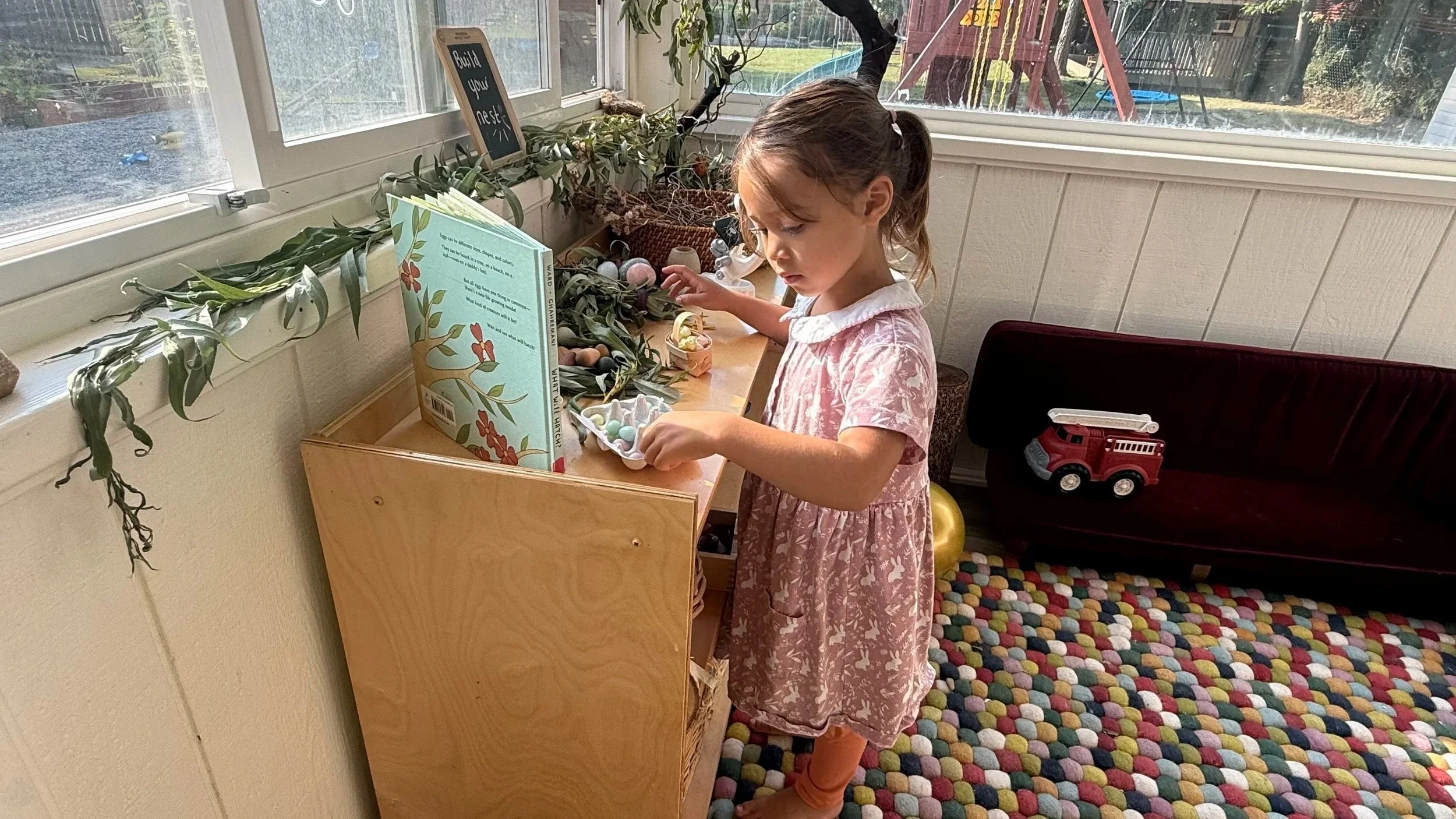
We are Reggio
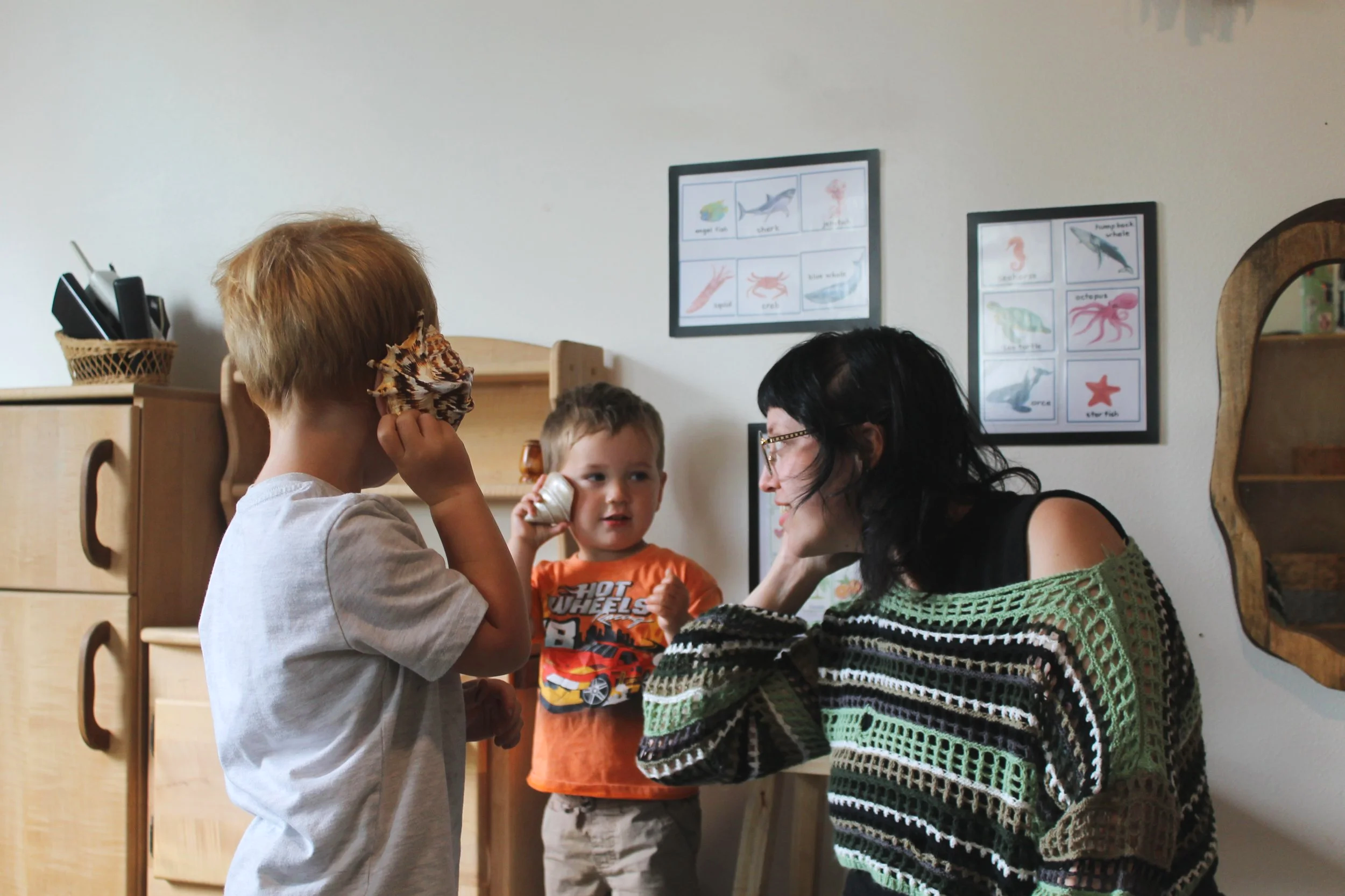
Defining what makes teaching Reggio “Inspired” is often like defining what makes art: you’ll know it when you see it. The Reggio approach, unlike other early education models like Montessori or Waldorf, does not have specific training or certification to become “Reggio.” The Reggio approach is more defined by its priorities and values and how it balances the rights of children, current neurobiology research, and developmentally appropriate practice. Inspired by the early learning sites in Reggio Emilia, several qualities can be used to describe what this teaching style looks like in action.
At Hope Harbor Children’s Center, children are not vessels to be filled, but citizens to be heard. Inspired by the Reggio-Emilia philosophy, we see children as capable, and we help them build a culture of inquiry, play, and discovery.
— Statement on the The Reggio-Emilia Philosophy
Our program understands the harmful impact of suspension and expulsion, particularly in preschool settings, and is firmly committed to not turning a child away due to their behaviors. We recognize the stigma associated with suspensions and the negative effects it can have on children's social-emotional development and long-term outcomes, and we actively seek to break that cycle.
— Statement on Expulsion and Suspension
Every child deserves to be seen, supported, and celebrated. At Hope Harbor Children’s Center, we partner with families and specialists to ensure our classrooms meet the diverse needs of all learners. By building a strong network of professionals across San Juan County, we strengthen our ability to connect families to the resources they deserve. When we prioritize accessibility, everyone benefits.
— Statement on Neurodiversity and Accessibility
We never want cost to be a barrier to care. Through both public programs and our own support models, we’re committed to welcoming all families.
— Statement on Financial Assistance
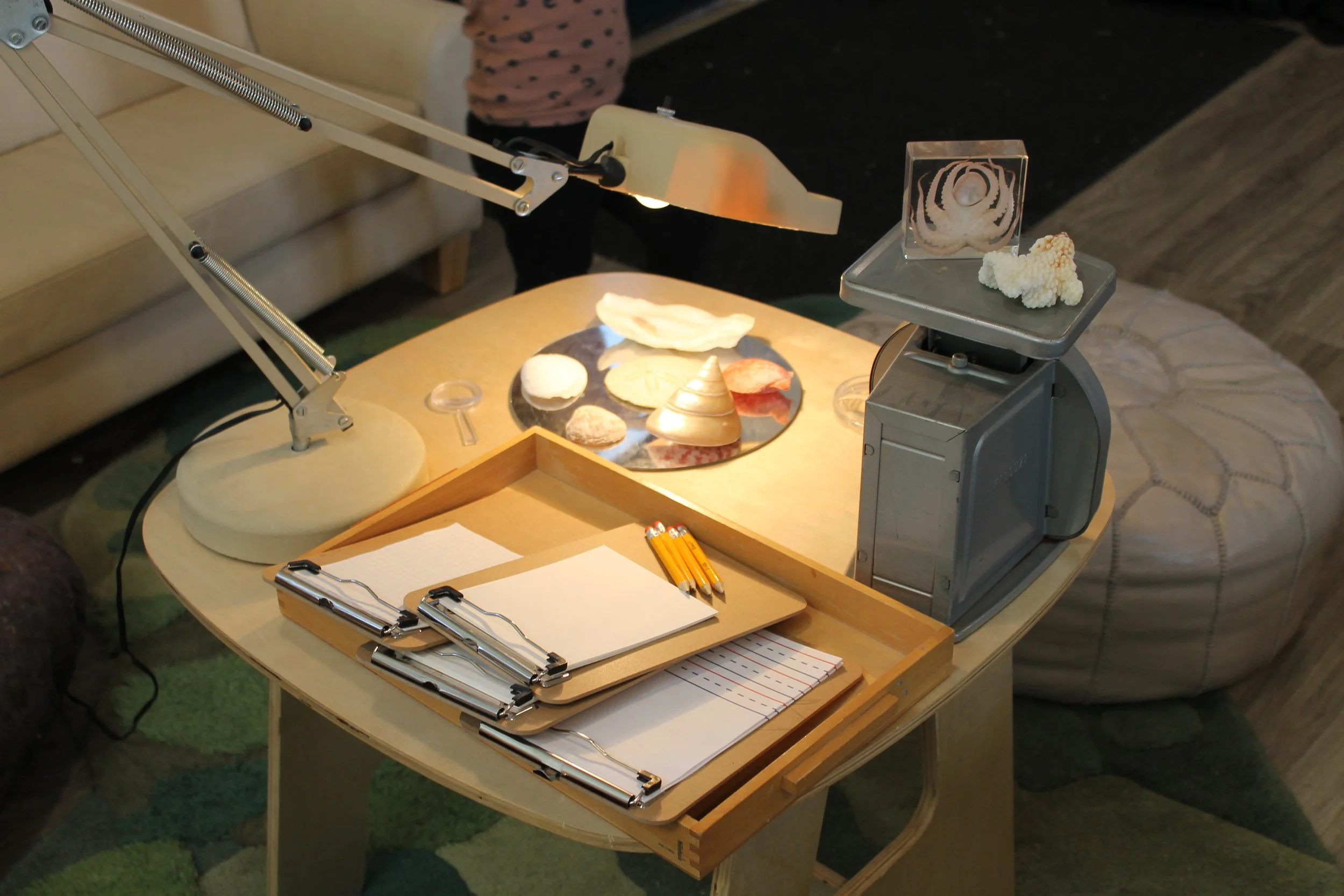
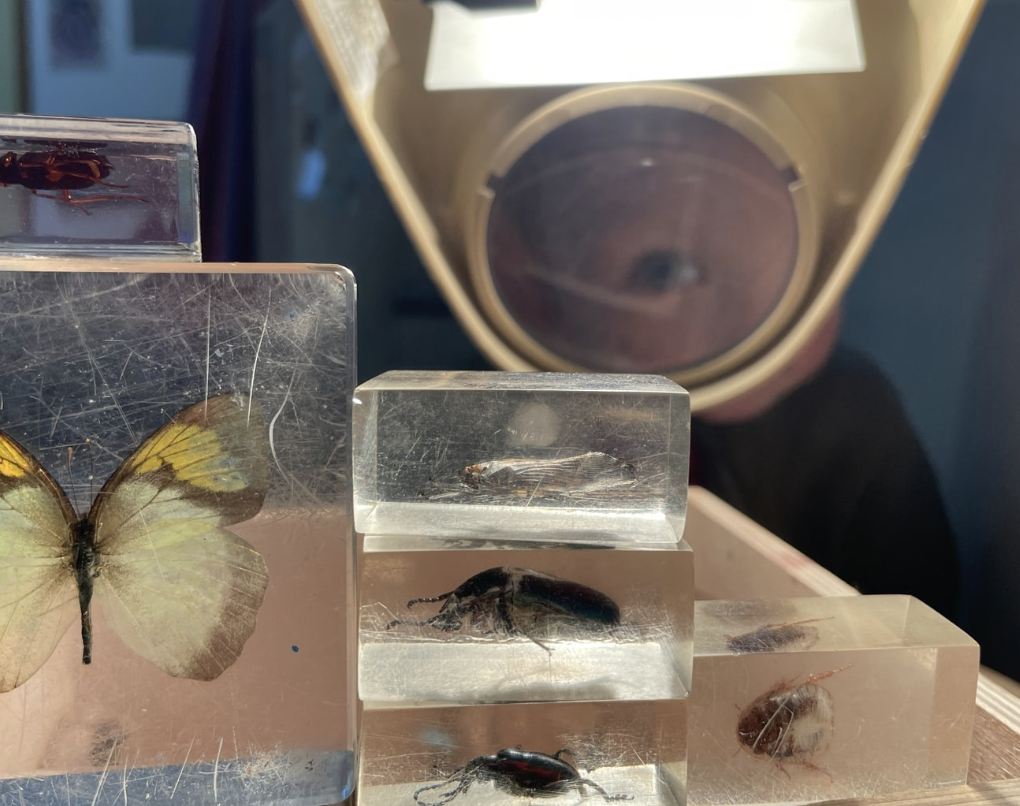
At Hope Harbor Children’s Center, we believe children are natural self-propelled learners. We follow their lead while gently expanding their horizons through provocations, questions, meaningful routines, and an emergent curriculum approach.
— Statement on Child-Led Learning
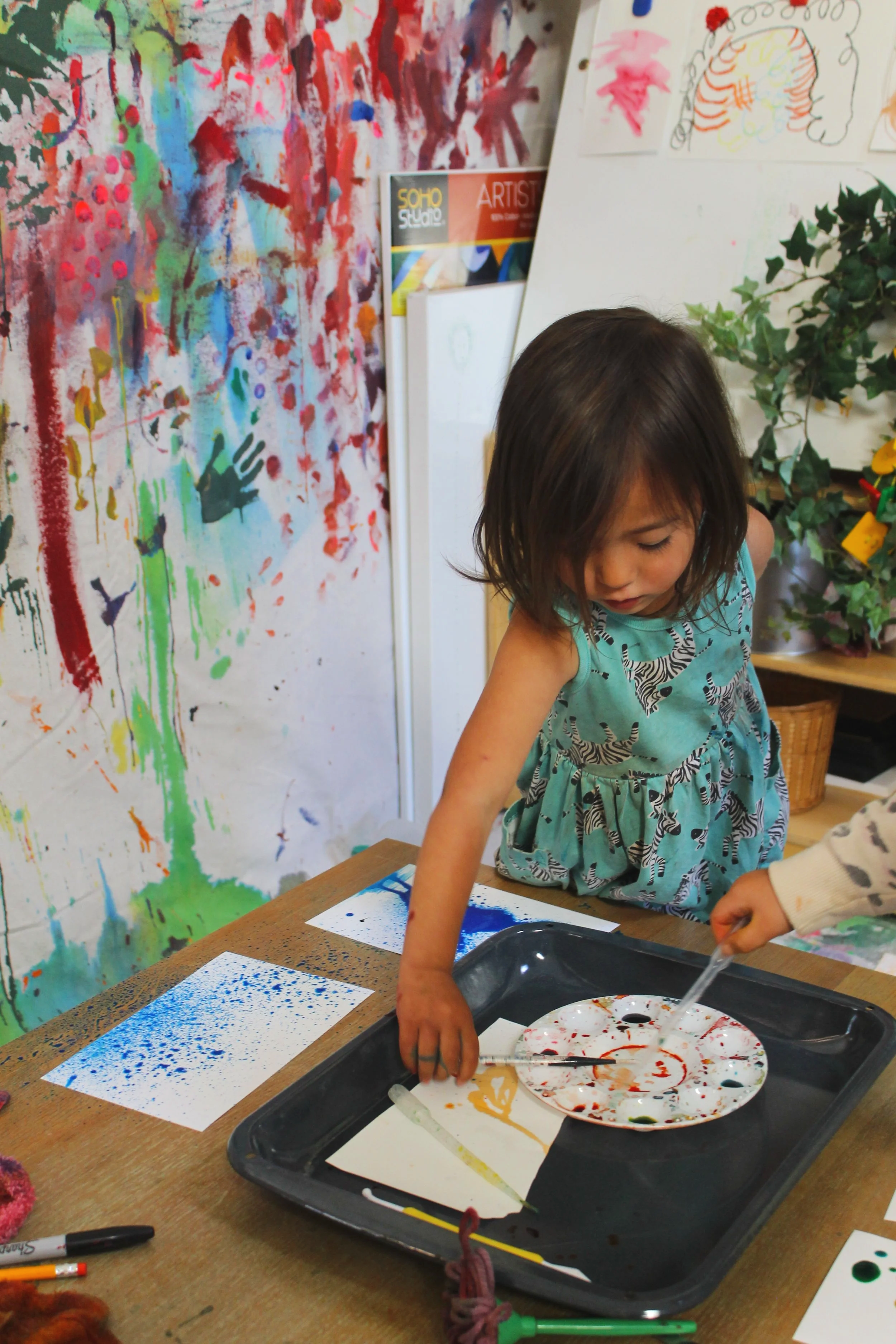
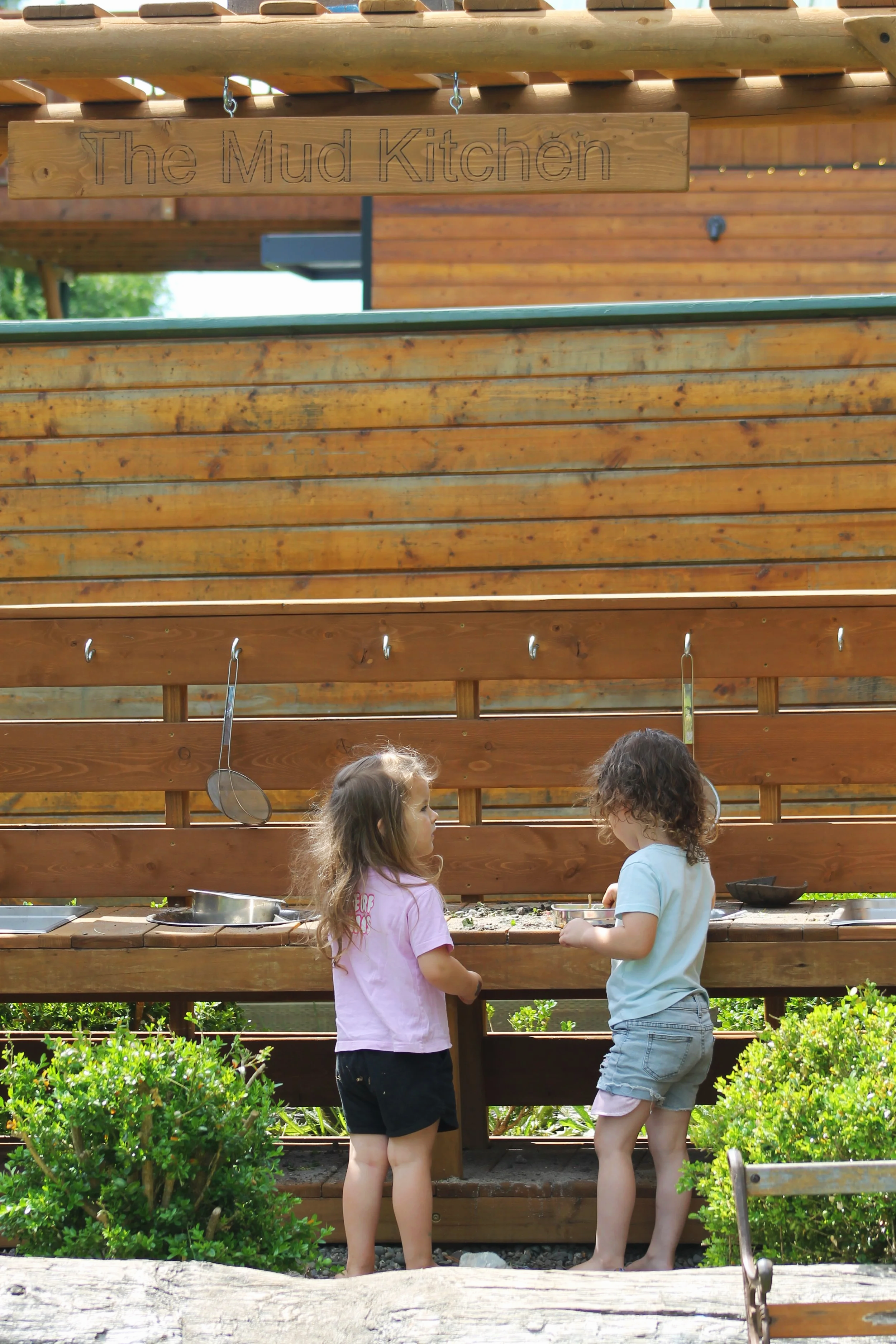
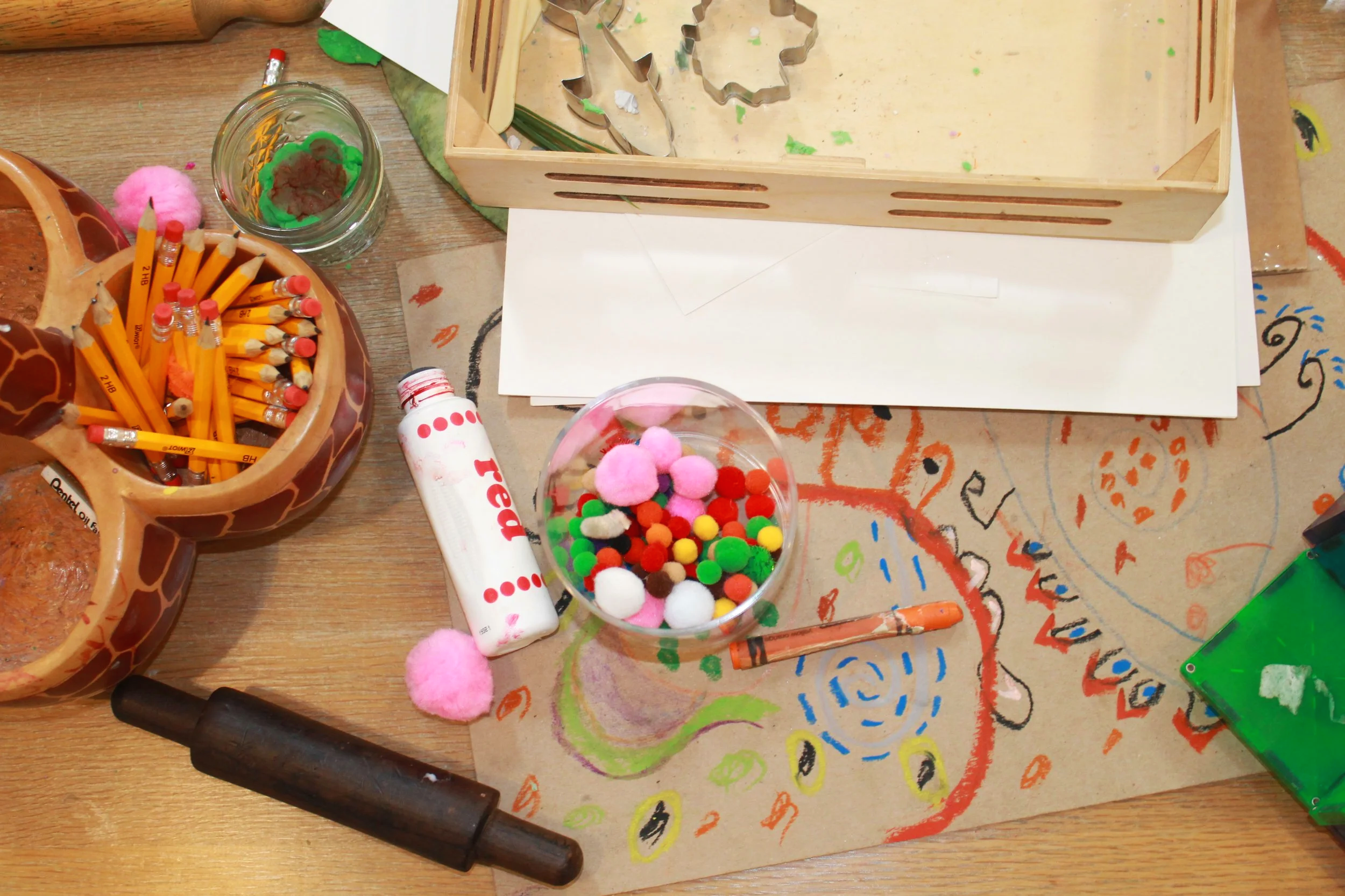
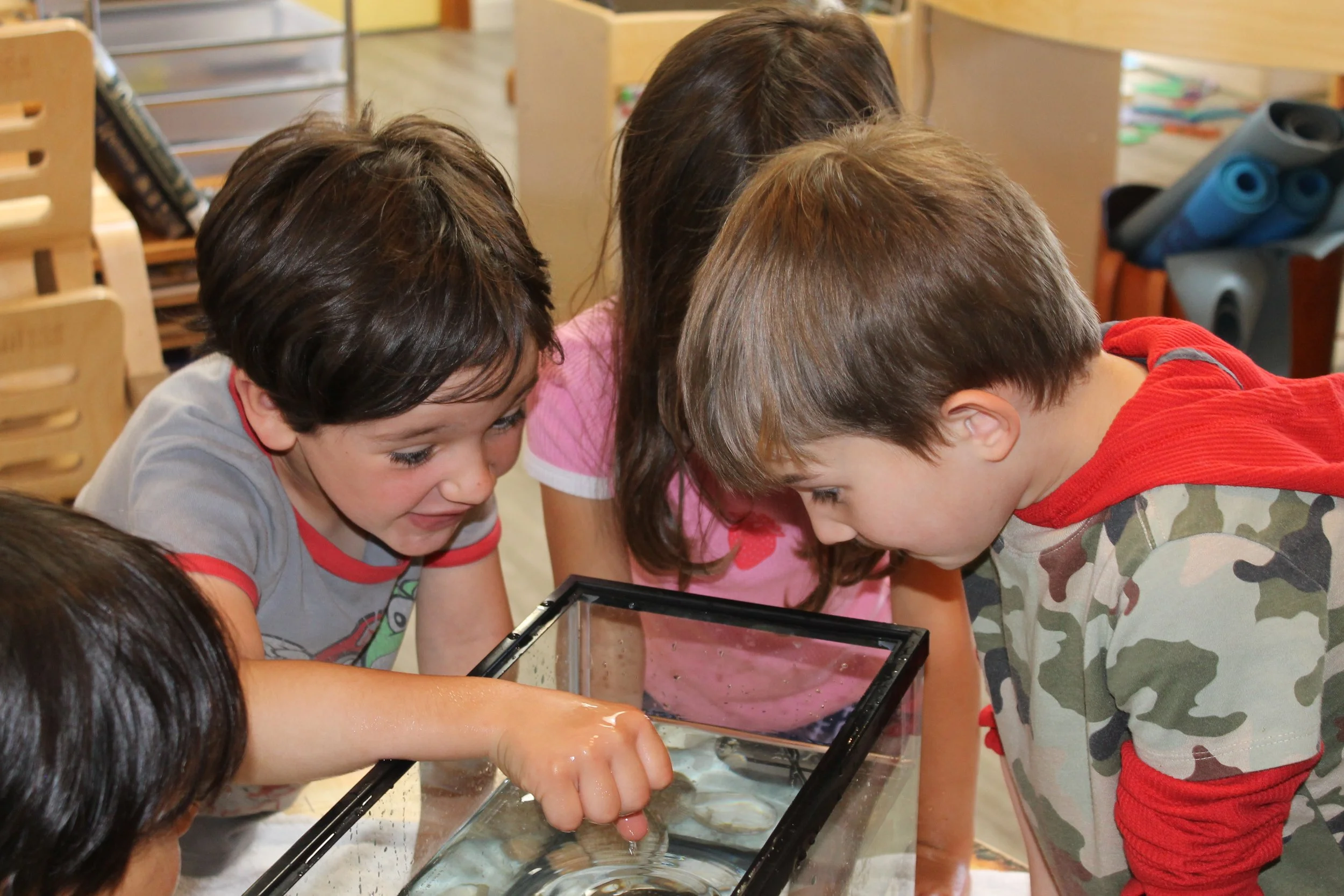
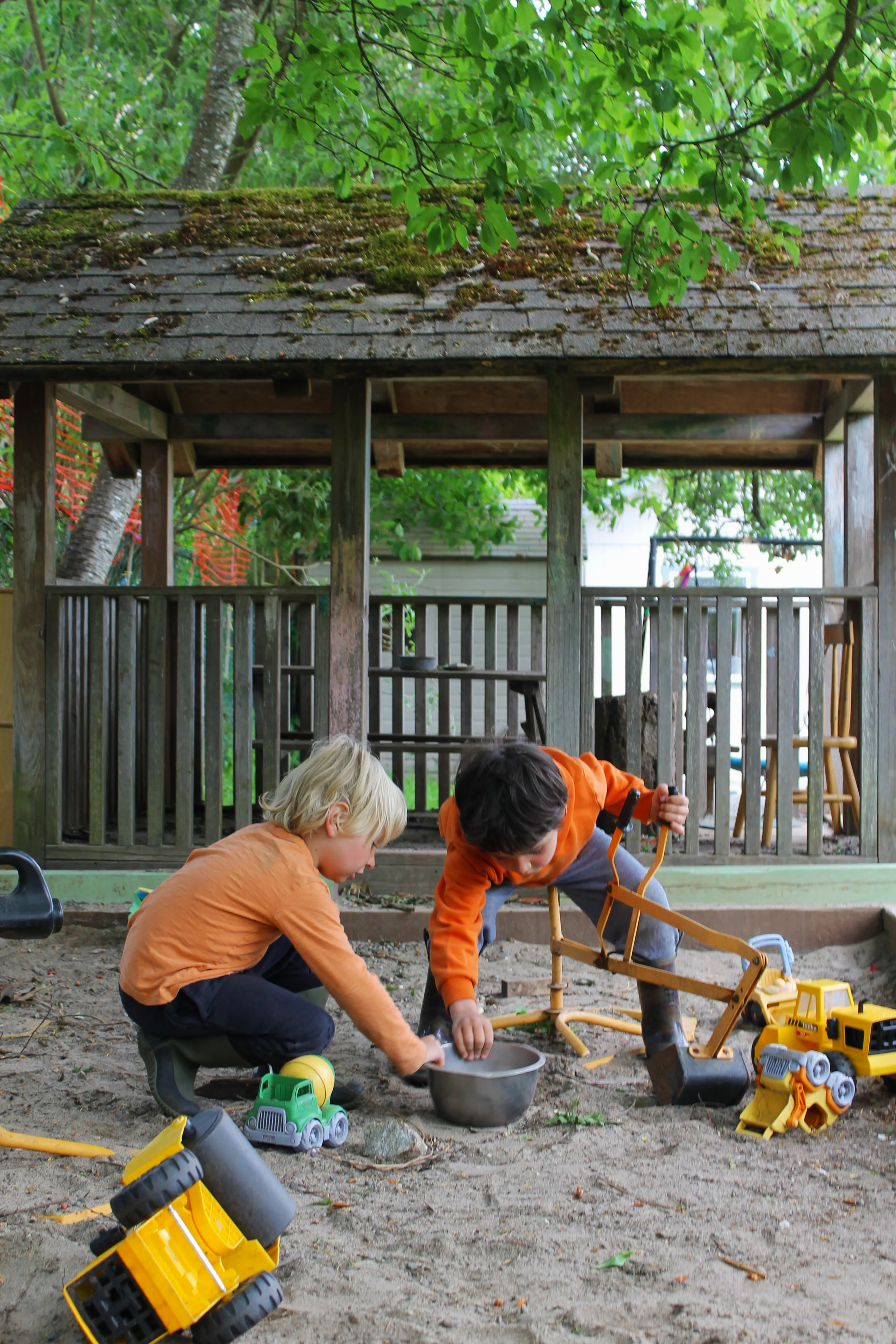
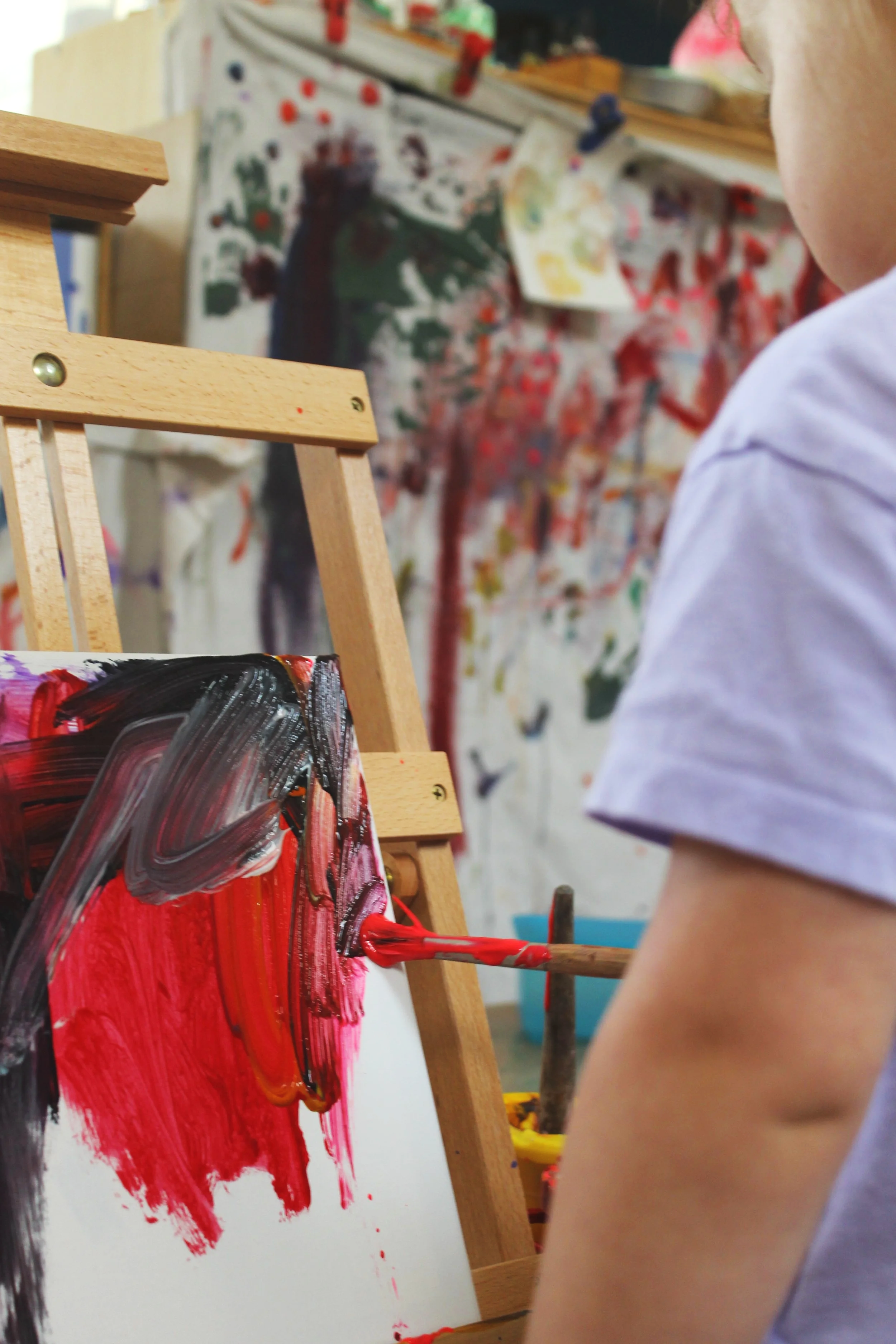
We believe that curiosity is more important than cleanliness, and that the process is more valuable than the product. Children need freedom to explore materials like mud, paint, clay, water, and sand without fear of mistakes or mess. This is where imagination blooms, and authentic learning takes root. Our role is to prepare rich environments, offer safe boundaries, and respect each child’s unique sensory experiences, so that joy and discovery can naturally unfold.
— Statement on Messy Play
At Hope Harbor, we believe a child’s emotional world is the foundation for all learning. Social-emotional development isn’t a separate subject, it’s at the heart of everything we do. Through daily interactions and gentle guidance, we help children understand and express their feelings, recognize the emotions of others, and begin to navigate the complexities of relationships, empathy, and problem-solving. We are committed to nurturing resilience, confidence, and a sense of belonging in every child—because when children feel safe to be themselves, they thrive.
— Statement on Social-Emotional Learning
We meet children where they are, not where we think they “should” be. We recognize that every child grows at their own pace, and we honor those unique timelines with patience, curiosity, and respect. Our expectations are grounded in developmental science, not adult convenience, so children can grow with confidence, not pressure.
— Statement on Developmentally Appropriate Expectations